MEDIA ONULMedia ONUL
Experience the diverse activities of today through our media content.
| Subject | Lost Weight but Now You Have Sagging Skin Under Your Chin? |
|---|---|
| Date | 07-20 |
| View | 380 |
Lost Weight but Now You Have Sagging Skin Under Your Chin? Facial Muscle Exercises May HelpSuccessfully losing weight is a major achievement—but for some people, the reflection in the mirror may look more tired or older than before. Rapid weight loss can sometimes lead to noticeable facial volume loss and skin laxity. So what can you do to minimize these changes?
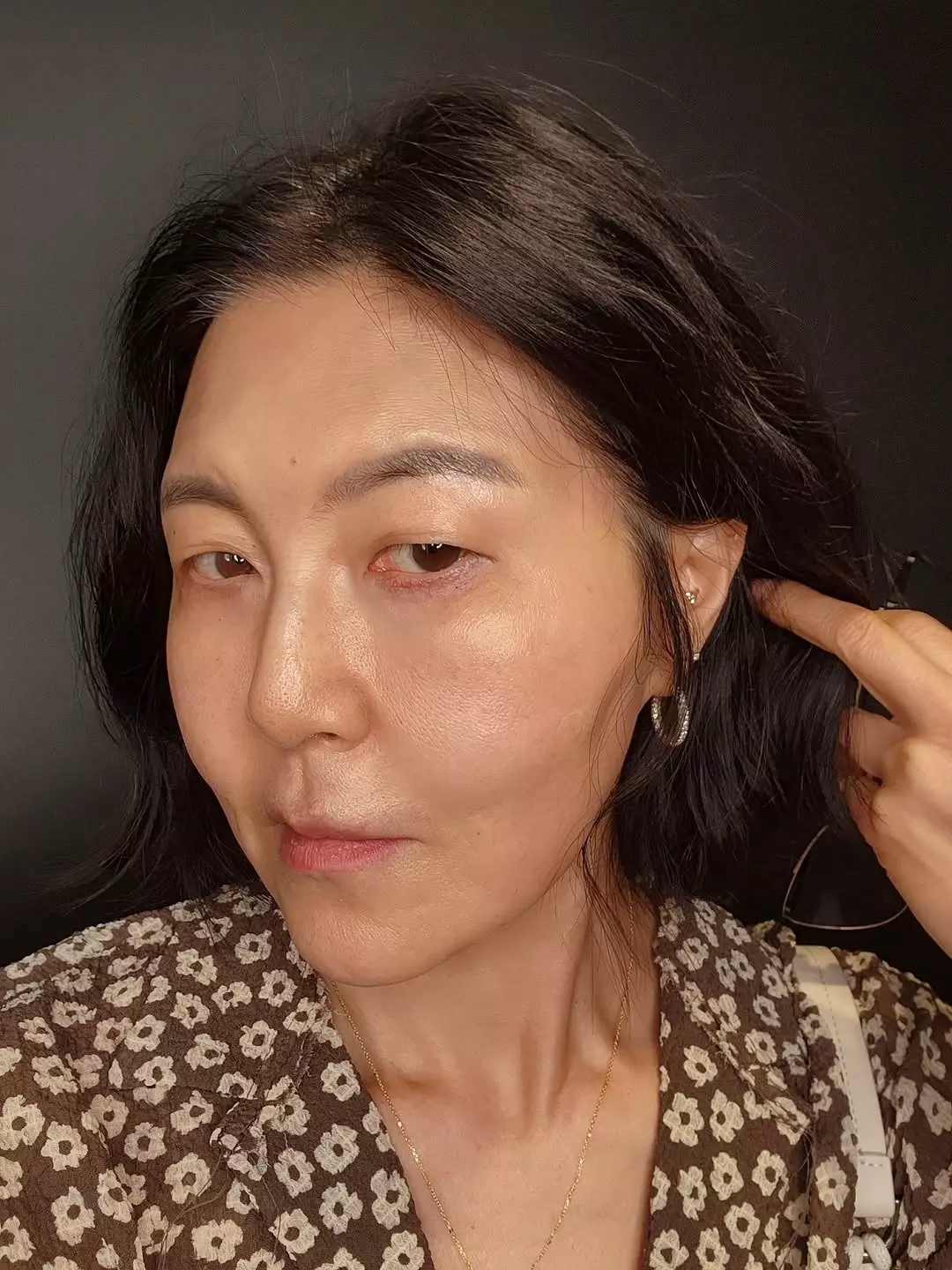
Rapid Weight Loss Can Contribute to Facial SaggingThe body cannot selectively burn fat from only one area. During weight loss, facial fat is often among the first to decrease. As the fat layer beneath the skin diminishes, the internal support that once maintained facial volume is reduced. If the skin cannot contract quickly enough to match this loss of volume, sagging may occur. According to Dr. Kirk of Onul Plastic Surgery, these changes tend to be more pronounced in middle-aged and older adults. "As we age, skin elasticity naturally declines, making facial sagging after weight loss more noticeable. The faster the weight loss, the more significant these changes tend to be." Celebrity stylist Han Hye-yeon (53), who made headlines after losing 20 kg (44 lbs), recently shared her own experience on Instagram. "The first thing I noticed after losing weight was my jawline losing definition and the changes in facial volume," she wrote. The growing popularity of weight-loss medications has also led to an increase in patients experiencing facial sagging. Dr. Kirk explained, "Weight-loss medications often produce relatively rapid weight reduction, which can make facial sagging more apparent. Some medications may contribute not only to fat loss but also to muscle loss. If the facial muscles become thinner as well, patients may appear more tired or older." How to Prevent or Reduce Facial Sagging After Weight LossOne of the most effective ways to minimize facial sagging is to lose weight gradually. In general, losing less than 5% of your body weight per month gives the skin more time to adapt to changes in facial volume. Prioritize ProteinA diet rich in high-quality protein—including chicken breast, fish, eggs, and tofu—helps preserve muscle mass while supporting skin health. Foods rich in vitamin C and antioxidants, such as fruits and vegetables, may also promote collagen production. Exercise Your Facial MusclesFacial muscle exercises may also help. According to Dr. Kirk, "Regularly engaging the facial muscles may help reduce muscle loss and support skin firmness." One commonly recommended exercise involves exaggerating the vowel sounds "A, E, I, O, U," holding each expression for approximately five seconds. This activates multiple facial expression muscles. Another exercise is to fill the mouth with air and slowly move it from side to side and up and down, which helps stimulate the cheeks and nasolabial fold area. If Sagging Has Already Developed, Medical Treatments May Be an OptionIf lifestyle changes alone do not provide satisfactory improvement, medical treatments may be considered. According to Dr. Kirk, "Depending on the degree and cause of facial sagging, patients may benefit from lifting procedures, surgical lifting, skin-tightening treatments, or volume restoration procedures." Popular non-surgical options include Ultherapy and Shurink, both ultrasound-based skin tightening treatments that deliver focused thermal energy to the deeper layers of the skin to improve sagging along the jawline and cheeks. For patients who have experienced significant volume loss in the cheeks or upper cheek area due to fat reduction, dermal fillers or collagen-stimulating treatments may help restore a more youthful facial contour. Dr. Kirk added, "Patients who experience rapid weight loss—particularly those using weight-loss medications—may achieve better overall results by having their facial condition evaluated in advance and combining weight loss with appropriate aesthetic treatments when necessary." He emphasized that the most important step is consulting with a qualified plastic surgeon to develop an individualized treatment plan based on each patient's anatomy and goals. Source: Chosun Health (June 16, 2026) |
|